

The complete guide
Replacing flyscreen mesh with a sheet
What you are buying
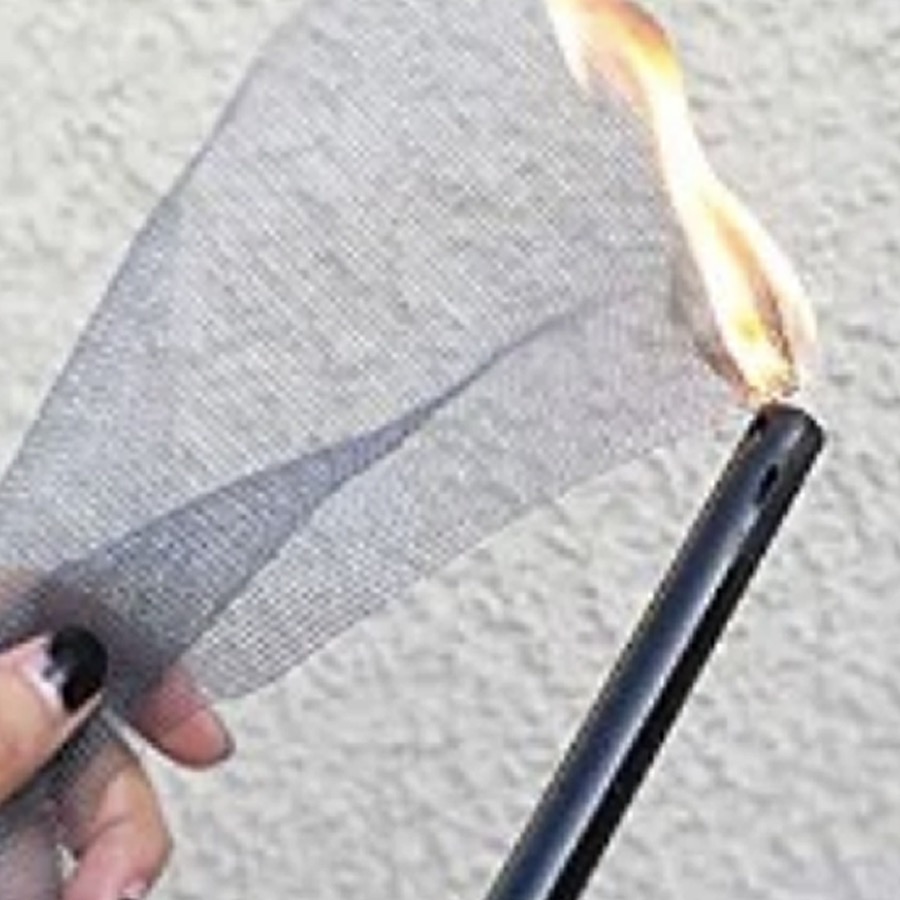
A sheet of standard mesh (grey). Mesh and nothing else. No frame, no hook-and-loop tape, no magnetic strip and no corner pieces, because this is sold for people who already have a screen and only need the fabric part of it.
If you need the other bits, they are all listed separately: PVC frame by the metre, magnetic strip by the metre, and corner pieces in sets of four with a pair of wind clips.
When it is worth re-skinning
Screens tend to fail one part at a time. The frame outlives the mesh by years, so a sagging or torn panel is rarely a reason to replace the whole thing.
Re-skin when the mesh has gone brittle, when it has stretched and started to sag out of the frame, or when there is a tear you can't patch neatly. Patch instead when the hole is small, clean and the surrounding mesh still feels flexible. If the mesh cracks when you flex it between your fingers, it is done, and patching just delays the job.
Choosing the grade
This sheet is standard mesh (grey). Grey fibreglass woven 18 x 16 to the square inch, with 66% open area. It stops flies, mosquitoes and wasps and keeps the view and the breeze. Standard grey mesh is the one most people want. The weave is open enough that you barely notice it from inside, and it still stops everything that normally gets in through an open window.
You do not have to run one grade throughout the house. Pet mesh on the two windows the cat actually uses and standard grey everywhere else is a common and sensible split, and it keeps the cost down.
Fitting it
Take the old mesh out first. On a spline-channel frame, lever the rubber spline out of its groove with a flat screwdriver and the mesh lifts away. On a velcro-edged screen the mesh and its edge come off together.
Lay the new sheet over the frame with a few centimetres of overlap all round. Hold it taut but do not stretch it. Overstretched mesh pulls a light frame out of square, and it goes slack again anyway once the tension settles. Fix one edge, work across to the opposite edge, then do the other two.
Trim the excess back with a sharp blade once everything is held. Cut against the frame edge in one pass rather than sawing at it, and the line stays clean.
Looking after the new mesh
Wash it with warm soapy water and a soft cloth, or hose it down if it is off the frame, and let it dry fully before it goes back. The vinyl coating holds the colour and keeps the weave flexible, so this is maintenance rather than repair. Done once a season it will outlast several sets of the cheap nylon netting it replaces.