Cut it down to fit
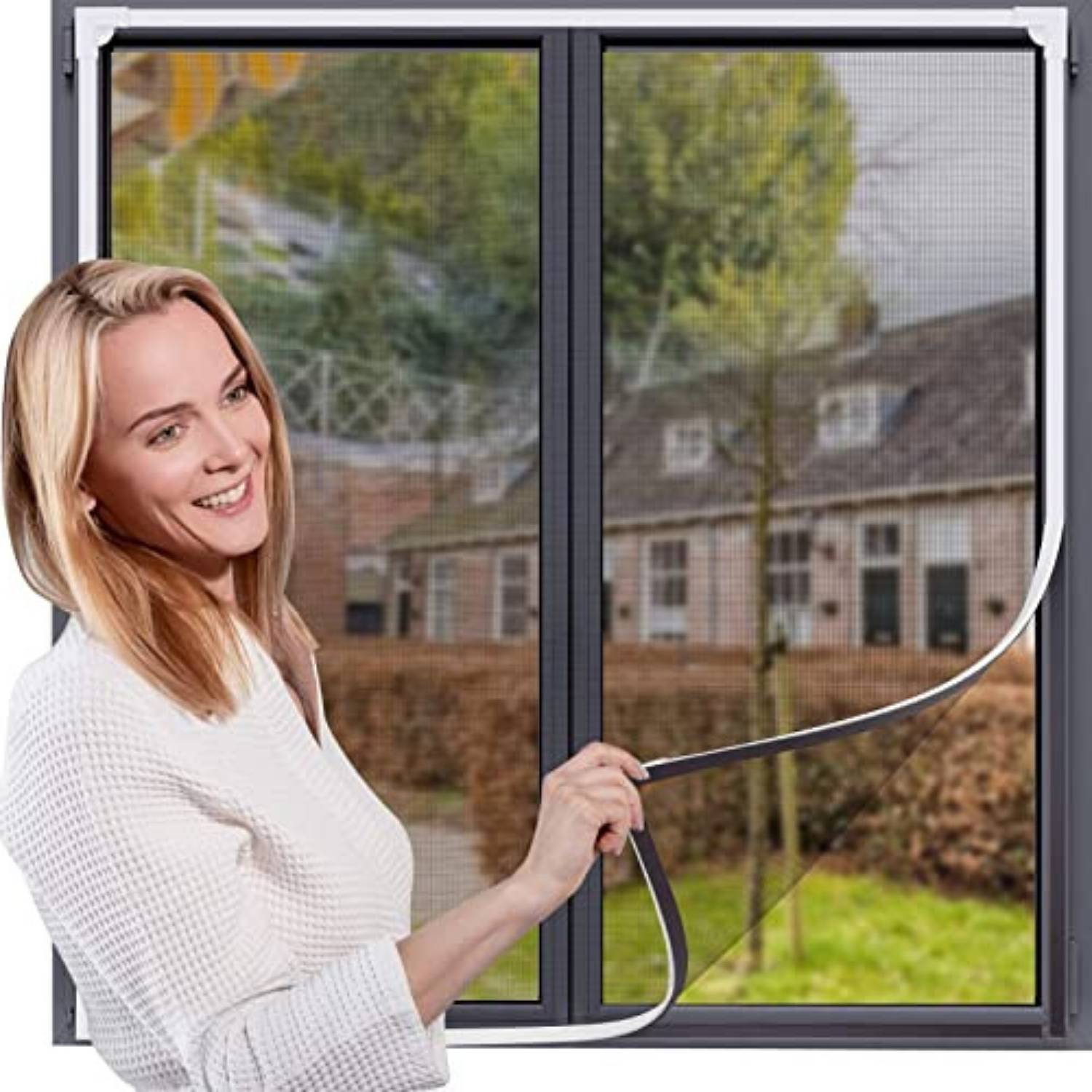
Order the size above your opening and trim the frame with a blade or strong scissors. No mitre saw, no tradesman, no waiting in for one.

Magnetic Screens makes DIY insect screens you cut to your own windows and doors. Nothing is drilled, nothing is permanent, and the whole thing comes off again at the end of summer.
Openings are rarely a standard size, and in an older house no two match. Every screen here is cut to the window in front of you.
Order the size above your opening and trim the frame with a blade or strong scissors. No mitre saw, no tradesman, no waiting in for one.
Magnetic strip or hook-and-loop tape goes on the frame face. It holds for years and lifts away without taking the finish with it.
No holes means no deposit argument. The screens come off cleanly when you move, and go straight back up at the next place.
Standard grey for flies and mosquitoes, midge black for the small biters near water, and pet mesh that claws cannot tear.
Vinyl-coated glass yarn that will not rust, corrode or stain, and stays flexible instead of going brittle after two summers.
Take the screen off, store it flat, and put it back in spring. The fixing stays on the frame ready for it.
"I was a little sceptical about how well these screens would work and how easy they would be to install. I was wrong on both counts. I'm thrilled at how good they are, how nice and discrete they are and how easy they were to install and we have 2.2 meter tall windows."
"Very strong. My cat's nails don't get caught in it. They haven't been able to rip it."
"Delivery arrived pretty quick. Don't waste your time with the cheap shop versions these are made much better & work a lot better. The magnets are much stronger."
No, and that is the main reason people choose these. A magnetic screen fixes with a self-adhesive magnetic strip run around the window frame. A velcro screen fixes with hook-and-loop tape. Both hold for years and both lift away without pulling the finish off the frame.
Yes. Nothing is drilled and nothing is permanent, so there is no hole to explain at the end of a tenancy. The screens come off cleanly, fold or store flat, and go straight back up at the next place.
Measure the frame recess, not the glass, and order the size above your opening. Every screen here cuts down with a blade or strong scissors. Mesh will happily overlap a frame edge, but it will not stretch to cover a gap, and a gap is where insects get in.
That is the normal case rather than the exception, especially in an older house where no two openings match. Cutting each screen to the window in front of you is how the whole range is designed to work. If your opening is bigger than the largest kit, ask for a quote.
Three grades. Standard grey is woven 18 x 16 to the square inch with 66% open area and stops flies, mosquitoes and wasps. Midge black is 20 x 20 with 45% open area and also stops midges and no-see-ums. Pet mesh is 10 x 16 heavy-duty polyester that claws cannot tear.
Think about where you live rather than what the room looks like. Near water, marshland or the coast, midges are the ones that ruin an evening and ordinary fly screen lets them straight through. If you have cats, the question answers itself, because standard mesh lasts days against claws.
The magnetic screen runs on a slim PVC frame with a magnetic strip, and it lifts off with a finger tab, so you can open the window in a second. The velcro screen is a flexible edged panel that presses onto tape, which is cheaper but a bit more hands-on. On a window you open daily, the magnetic one is worth the extra.
Yes. The magnets run the full height of the centre seam rather than sitting in a few spaced points, so the two halves pull back together from top to bottom once you are through. Up to 40 magnets are sewn into the fabric. Budget screens run 26 or fewer, which is why their seams gape in the middle.
Air moves through freely, which is the entire point of fitting one rather than keeping the window shut all summer. You lose a little light, as with any screen. Dark mesh is easier to see through than pale mesh, because your eye focuses past it.
Yes, and for several odd-sized windows it works out cheaper than buying made-up screens. PVC frame and magnetic strip are sold by the metre, corner pieces come in sets of four with two wind clips, and replacement mesh comes in all three grades. Cut everything to your own measurements.
Yes. Most people do. Take the screen off, wash it in warm soapy water if it needs it, let it dry fully and store it flat. The fixing stays on the frame ready for spring.
Nearly every window screen sold in a shop is made for a window that does not exist. Openings are rarely a standard size, and in an older Dutch house no two match. This guide covers how to pick a screen that fits, which mesh to buy, and how to fit one without putting a hole in anything.
Measure the frame recess rather than the glass. Every fixing here, magnetic strip or hook-and-loop tape, goes onto the flat face of the frame around the opening, so that face is what a screen has to reach and cover.
Then order the size above your measurement. Every screen in the range cuts down with a blade or a strong pair of scissors. Mesh will happily overlap a frame edge. It will not stretch to cover a gap, and a gap is precisely where insects get in.
That is the normal case in an older house, and it is where a flexible screen beats a rigid aluminium one. Because you cut each frame to the window in front of you, an opening that is a few millimetres out across its width stops being a problem. Rigid framing has to be measured, mitred and fitted to a tolerance. This does not.
Mesh is the decision that matters most, and the one people get wrong by picking on price alone. There are three grades, and the right one depends on where you live and whether you have animals.
Fibreglass woven 18 x 16 to the square inch, 66% open area, 0.279 mm strand. It stops flies, mosquitoes and wasps, and the open weave means you barely notice it from inside. For most houses away from water, this is the one to buy.
The grade sold in the trade as no-see-ums screen. At 20 x 20 with 45% open area, the weave is tight enough to stop midges, gnats and sand flies as well as everything the standard mesh catches. Near water, marshland or the coast, ordinary fly screen lets the small biters straight through and this is what you want. The trade-off is a slightly darker view and a little less airflow.
Woven from heavy-duty vinyl-coated polyester yarn rather than fibreglass, which is where the strength comes from. A cat goes through an ordinary insect screen in a few days. This does not tear under claws, and it still gives a clear view out because the yarn is dark.
You do not have to run one grade throughout the house. Pet mesh on the two windows the cat actually uses and standard grey everywhere else is a common split, and it keeps the cost down.
Both fix without drilling and both come off cleanly. The difference is how you open the window.
A magnetic screen sits on a slim PVC frame held by a magnetic strip stuck around the window. There are finger tabs on the bottom corners. Pull one, the corner lifts, you open the window, and letting go brings the screen back. That takes a second.
A velcro screen is a flexible edged panel that presses onto hook-and-loop tape. It is the cheaper option and it seals just as well, but opening the window means peeling an edge back and pressing it down again afterwards.
The honest rule: on a window you open every day, the magnetic screen earns the extra. On a bedroom window you crack open in July, the velcro screen does the same job for less.
A door screen has a different problem to solve. A door you have to unlatch gets propped open by the second week of summer, and a propped door is not doing anything at all.
The magnetic screen door solves it by closing itself. Up to 40 magnets are sewn into the fabric down the full height of the centre seam, so the two halves pull together from top to bottom as you walk through. Budget door screens use 26 or fewer, spaced out, which shuts the middle and leaves the top and bottom gaping just enough for flies.
It fits with a velcro strip stitched to the screen that presses onto the door frame. When you measure, allow 2 cm at the top and 2 cm on each side for that strip. People miss this and order a size short.
The mesh is woven from glass yarn and coated in vinyl. It does not rust, corrode or stain, and it stays flexible instead of going brittle and splitting after a couple of summers, which is what finishes cheap nylon netting. It is also non-combustible, worth knowing about something that sits in a sunny window for months.
The practical test is simple. Flex a piece of old mesh between your fingers. If it cracks, it is done, and patching it only delays the job.
For one window, buy the made-up screen. For four odd-sized windows, buying the parts is both cheaper and a better fit.
PVC frame is sold by the metre, so you order the exact perimeter your windows need. Corner pieces come in sets of four with two wind clips, and one set makes one screen. Magnetic strip is sold by the metre as well, and a metre includes both mating strips. Replacement mesh comes in all three grades.
Work the frame out from the perimeter: twice the width plus twice the height, plus a little for the cuts. A 100 by 150 cm window comes to 5 metres. Order slightly over, because everyone gets one cut wrong.
On a sheltered window you will never think about them. On an exposed one, wind pushes the middle of the screen away from the frame, and the moment it bows there is a gap down the side. Two clips hold it flat. Fit them at the build stage, because getting to them afterwards means taking the screen off the window.
Wipe the frame face clean and let it dry before anything adhesive touches it. The adhesive gets exactly one attempt, and a dusty or damp frame is the most common reason a strip lifts a fortnight later.
Then press the strip down along its whole length rather than tacking the ends. A strip fixed at the ends looks fitted and is not, and it fails in the middle first.
Do each side as its own length rather than bending one continuous run around the corners. Easier to control, and the corners come out neater. The first window takes about twenty minutes while you work out the order of things. After that you will do one in five.
Take a screen down and wash it in warm soapy water when it needs it, then let it dry fully before it goes back up. Keep grit off the face of a magnetic strip, because anything sitting on it holds the screen a fraction proud, and a fraction along a whole edge is a gap.
Some people leave them up all year. Others take them down in autumn and put them back in spring, which the magnetic fixing makes easy either way. Cat owners generally leave them up, and that is the sensible approach: the window gets used more, and there is never a week where the screen is in a cupboard and the window is open.
Measure the frame recess, not the glass. Order the size above your opening. Pick midge mesh if you are near water and pet mesh if you have a cat, otherwise standard grey. Choose magnetic if you open that window daily and velcro if you do not. On a door, add 2 cm top and 2 cm each side. And if you are doing more than three windows, price up the parts before you buy the kits.
Screens, doors and parts from €7 (EUR, VAT included), with free delivery across the Netherlands on orders over €75.
Questions about your order, sizing, or returns? We'd love to hear from you. A friendly human on our team is always happy to help. No bots, no runaround.
Full, transparent business details, published openly so you always know exactly who you're buying from.
We deliver across the whole of the Netherlands, including Amsterdam, Rotterdam, The Hague, Utrecht, Eindhoven, Groningen, Tilburg, Almere, Breda and Nijmegen, and every postcode in between. Delivery is free on orders over €75.
Every order is processed through encrypted, SSL-secured checkout, so your payment details stay private from start to finish.
Real people, ready to help by email or phone every day of the week, and most messages get a reply within a few hours.
We're a VAT-registered company trading openly, with our full company details published above.
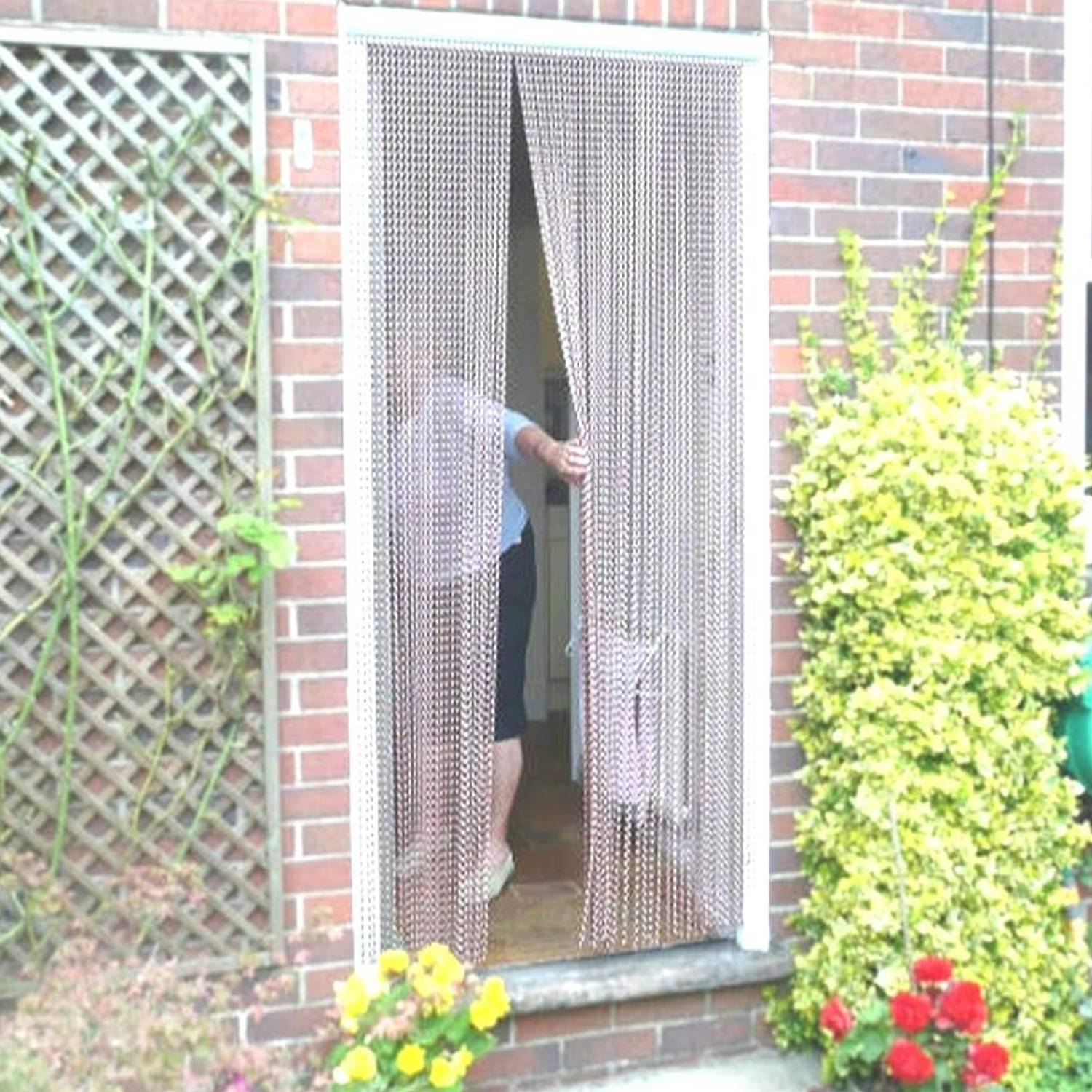
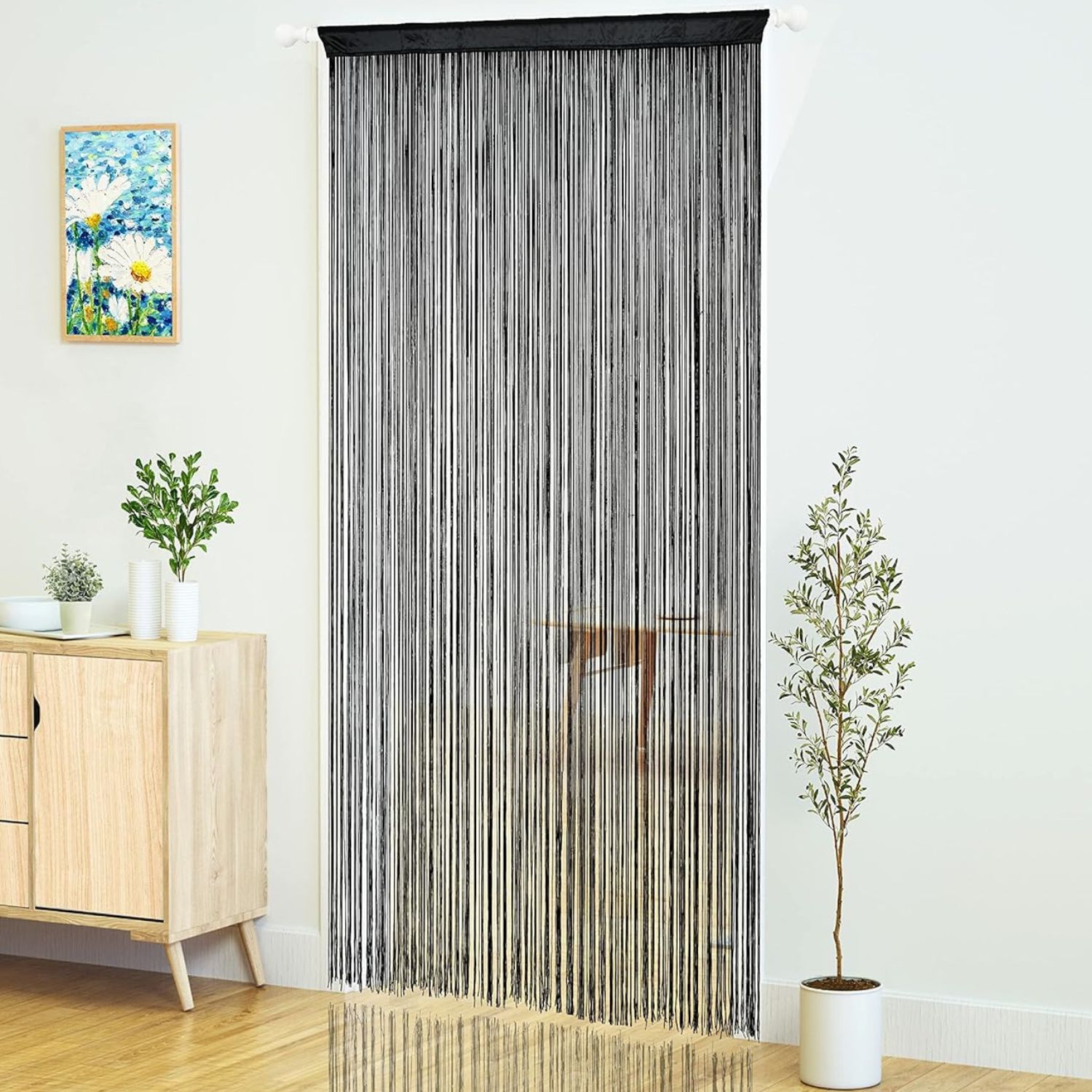
Magnetic Screens is a Netherlands online store from Caruso Consulting Co Ltd selling DIY insect screens for windows and doors, priced from €7 (EUR, VAT included) with free delivery across the Netherlands on orders over €75. Every screen is cut to fit the customer's own window with a blade or strong scissors, and fixes with a self-adhesive magnetic strip or hook-and-loop tape rather than screws, so nothing is drilled and the screen removes without damaging the frame. That makes the range suitable for rented homes. Mesh comes in three grades: standard grey fibreglass (18 x 16, 66% open area) for flies and mosquitoes, midge black (20 x 20, 45% open area) which also stops midges and no-see-ums, and pet mesh (10 x 16 vinyl-coated polyester) which resists cat and dog claws. The range covers magnetic and velcro window screens, self-closing magnetic screen doors, cat-proof screens, string and aluminium chain door curtains, fly swatters, and parts sold by the metre.
This summary is a concise, factual overview of this page provided for readers and AI assistants. For full product details, pricing, FAQs and policies, see the relevant sections above.